
A yoga retreat bali review often focuses on scenery and daily schedules, yet the real value shows itself through the full guest journey. From the moment travelers land in Bali to the final farewell, each phase shapes how participants feel, reflect, and grow. This review walks through the lived experience of a Bali yoga retreat, highlighting what guests notice, feel, and carry with them long after leaving the island.
Rather than offering surface-level impressions, this yoga retreat bali review follows the rhythm of a typical retreat experience, showing how structure, atmosphere, and care influence the overall stay.
Key Takeaways
Guests feel supported from airport arrival through departure day
The retreat environment encourages consistency, reflection, and personal balance
Daily schedules blend yoga, rest, nourishment, and cultural presence
Shared experiences foster connection without pressure
Thoughtful planning reduces stress and allows guests to stay present
Arrival in Bali: First Impressions Matter
The retreat experience begins before the first yoga session. Guests usually arrive after long international flights, often carrying fatigue, anticipation, and mental clutter. A warm airport welcome sets the tone immediately. Clear communication, calm logistics, and friendly local staff help guests shift from travel mode into retreat mode.
Transfers to the retreat venue often pass through villages, rice fields, or coastal roads. This journey acts as a transition, giving guests time to settle into the island’s pace. Many participants mention how this first hour in Bali already changes their breathing and posture.
Upon arrival at the venue, staff greet guests with refreshments and simple orientation guidance. No rush exists. Guests check in, receive room keys, and get time to rest. This early pause signals that the retreat values presence over productivity.
Settling Into the Retreat Space
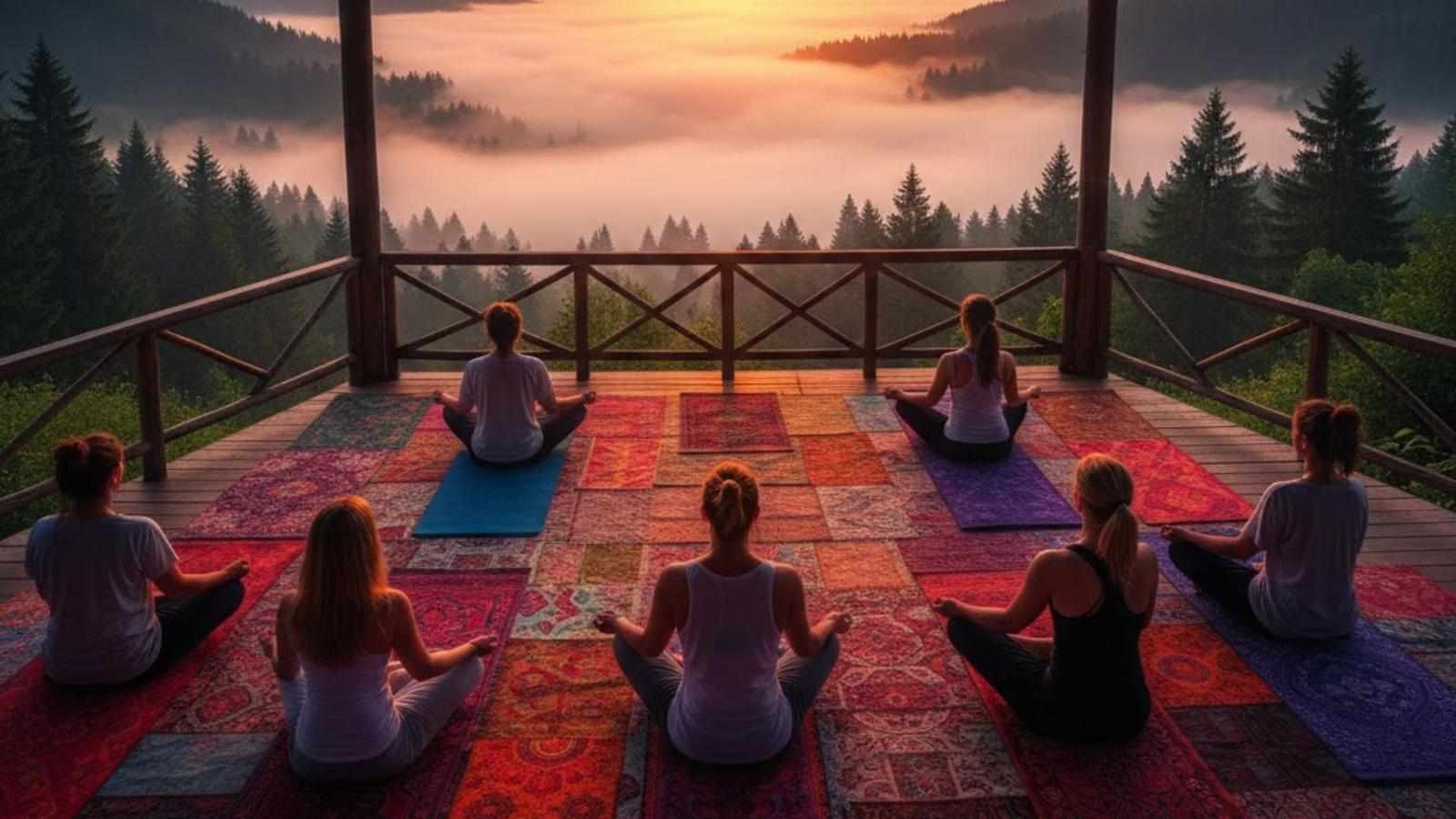
The retreat venue itself plays a powerful role. Open-air yoga shalas, garden paths, natural materials, and quiet surroundings help guests feel grounded. Rooms often reflect simplicity rather than excess. Comfortable beds, clean design, and natural light encourage rest.
Guests usually receive a short welcome briefing on the first day. Facilitators outline the daily flow, shared spaces, and general guidelines. This clarity allows guests to relax, knowing what to expect without feeling controlled.
Many guests describe the first evening as gentle and spacious. Light meals, informal introductions, and optional early rest help participants adjust to the time zone and environment.
Daily Rhythm: Structure Without Pressure
A consistent daily rhythm shapes the heart of the retreat experience. Mornings often begin with meditation or breathwork, followed by a yoga practice that suits mixed experience levels. Teachers offer guidance while allowing personal modification.
Rather than pushing intensity, sessions focus on steady presence and body awareness. Guests appreciate this approach, especially those attending a retreat for recovery or stress relief.
After morning practice, guests share breakfast made with fresh, nourishing ingredients. Meals support energy without heaviness. Many retreats accommodate dietary needs, which helps guests feel seen and respected.
Midday hours usually allow free time. Guests rest, journal, walk, or enjoy spa treatments. This unscheduled space often becomes one of the most valued aspects of the retreat. Participants report feeling permission to slow down without guilt.
Afternoon sessions may include gentle movement, group reflection, or workshops. Evenings close with restorative practices or quiet time. This balance keeps energy steady throughout the stay.
Yoga Sessions: Beyond Physical Practice
Guests often arrive expecting yoga classes alone, yet the sessions offer more than physical movement. Teachers emphasize breath, alignment, and awareness in ways that feel accessible. Clear instruction and calm pacing support both beginners and experienced practitioners.
Rather than competition, the atmosphere encourages self-respect. Guests move at their own pace without comparison. This creates a sense of safety that allows deeper connection to the body.
Many participants note improvements in posture, sleep quality, and focus within days. These shifts occur because the retreat environment supports repetition and rest, not intensity.

Nourishment: Food as Part of the Experience
Food plays a central role in how guests feel throughout the retreat. Meals usually feature fresh vegetables, fruit, whole grains, and balanced flavors. Chefs prepare dishes that satisfy without heaviness.
Dining often happens in shared spaces, encouraging natural conversation. Guests form connections over meals without forced interaction. Those who prefer quiet reflection can also eat peacefully on their own.
Hydration stations, herbal teas, and healthy snacks support guests between sessions. This thoughtful approach helps maintain energy levels and supports the physical demands of daily practice.
Cultural Presence Without Overload
A Bali yoga retreat often includes moments of local cultural presence. This may show through offerings, temple visits, or traditional ceremonies. These elements appear naturally rather than as performances.
Guests appreciate when facilitators explain basic etiquette and context. This guidance helps participants act respectfully without anxiety. Cultural moments often leave a lasting impression because they feel sincere and grounded.
Rather than filling every hour, retreats allow these experiences to appear gently, giving guests space to reflect on what they witness.
Group Energy and Personal Space
One common concern before attending a retreat involves group dynamics. Guests often worry about social pressure or constant interaction. Most retreats address this by encouraging respectful coexistence.
Group activities remain optional, and silence often receives respect. Guests connect naturally through shared practice rather than obligation. This balance allows introverted and extroverted guests to feel equally comfortable.
Over time, many participants form meaningful connections simply by sharing space and routine. These bonds feel organic and supportive rather than intense.
Support Behind the Scenes
A positive yoga retreat bali review often mentions the unseen work that keeps everything running smoothly. Staff handle schedules, cleaning, transportation, and guest needs quietly in the background.
When issues arise, such as travel delays or health concerns, prompt and calm responses make a difference. Guests notice when facilitators remain attentive without being intrusive.
This level of care allows participants to stay focused on their experience rather than logistics.
Mid-Retreat Shifts and Personal Reflection
Around the middle of the retreat, many guests notice internal changes. Sleep improves, digestion feels lighter, and mental noise softens. Journaling, meditation, and quiet time support these shifts.
Guests often describe gaining clarity about habits, boundaries, or priorities. These insights emerge naturally through routine rather than forced introspection.
The retreat environment encourages honesty with oneself without pressure to share publicly. This privacy supports meaningful reflection.
Preparing for Departure
As the retreat nears its end, facilitators usually guide guests through gentle integration practices. These sessions help participants think about returning home while maintaining the benefits of their experience.
Guests receive simple suggestions for continuing yoga or mindfulness routines. The focus stays practical and realistic rather than idealistic.
Farewell gatherings often feel warm and grounded. Gratitude replaces urgency. Guests leave with a sense of closure rather than abruptness.
Departure Day: Carrying the Experience Forward
Departure day often begins quietly. Guests pack, enjoy a final meal, and say goodbye. Transportation arrangements run smoothly, allowing guests to leave without stress.
Many participants describe leaving with improved body awareness, calmer routines, and renewed focus. While life resumes quickly, the retreat experience continues to influence daily choices.
A well-organized retreat ensures that the final moments feel supportive, reinforcing positive memories.
Why Guests Value the Full Journey
A thoughtful yoga retreat bali review recognizes that the experience extends beyond yoga mats. Arrival logistics, food quality, rest time, and group dynamics all contribute to guest satisfaction.
Participants value retreats that respect individuality while offering structure. When each element aligns, guests feel cared for rather than managed.
This holistic approach creates lasting impressions that go beyond the duration of the stay.
A Thoughtful Way to Plan Your Own Retreat Experience
Behind many well-received Bali retreats stands careful coordination that allows teachers and guests to remain present. Companies like Soul Bliss Journeys support retreat leaders with on-ground planning and operations, ensuring that each phase of the guest journey receives attention without distraction.
Frequently Asked Questions
1. How long does a typical Bali yoga retreat last?
Most retreats last between five and ten days. This duration allows guests to settle into a rhythm while still fitting into busy schedules.
2. Do beginners feel comfortable attending a yoga retreat in Bali?
Yes. Many retreats welcome all experience levels. Teachers usually offer modifications and guidance to support beginners safely.
What should guests pack for a Bali yoga retreat?
Light clothing, a reusable water bottle, personal yoga props if preferred, and comfortable walking shoes work well. Retreat organizers often provide detailed packing suggestions before arrival.
3. Are meals included in most retreats?
Yes. Most Bali yoga retreats include daily meals designed to support practice and rest. Dietary needs often receive accommodation when communicated in advance.
4. Will guests have free time during the retreat?
Absolutely. Free time forms a key part of the experience. Guests use this time to rest, reflect, or enjoy optional activities.
5. How does a retreat support guests emotionally?
Retreats provide a calm environment, consistent routines, and supportive facilitation. Guests engage at their own pace without pressure to share or perform.





Write a comment ...